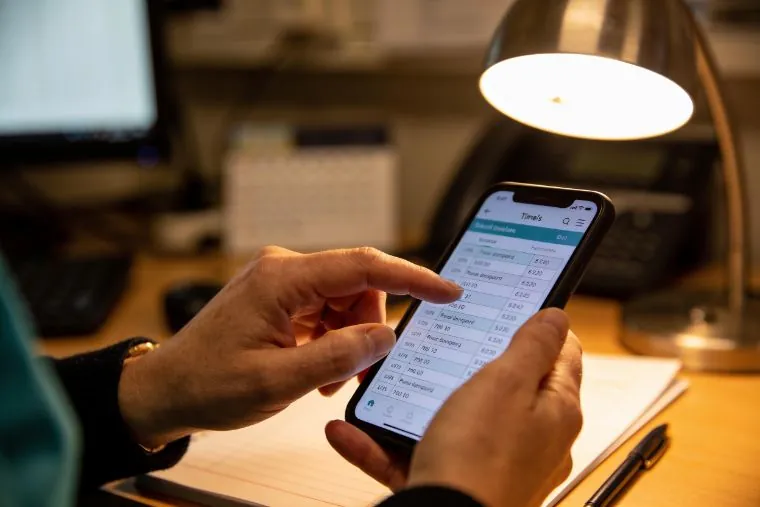
It is 5:52 a.m. The phone goes, and before you answer you already know. Someone on the early shift isn't coming in, the night staff finish at eight, and twenty-odd residents still need to be washed, dressed, given their medication and helped to breakfast.
Every care home manager has had this call. The homes that handle it calmly aren't luckier — they have a routine. They know what to ask, who to call and in what order, and they don't waste the first half hour hoping someone will ring back. This playbook sets out that routine, step by step, so the next sickness call is a process rather than a crisis.
To cover last-minute sickness in a care home:
- Take the call properly — confirm the shift, the grade and when they expect to be back.
- Work out exactly what you're covering — hours, unit and what the shift can safely absorb.
- Offer it to your own team first — bank and part-time staff, within safe working hours.
- Go to your agency early — don't wait for replies that may never come.
- Match the grade — a nurse can only be replaced by a nurse.
- Confirm, brief and record — including any decision to run short while cover arrives.
The first hour, step by step
The single biggest mistake is waiting. Every minute spent hoping for a callback is a minute when the pool of available people gets smaller. Run these steps in parallel where you can — but run them.
Take the call properly
Keep it short and kind — this isn't the moment for a return-to-work conversation. You need three facts:
- Which shift, and which unit or floor.
- Whether it's just today, or likely to be longer.
- The time of the call — you'll want it for your records.
Work out exactly what you're covering
Before you ring anyone, be precise. A vague “can anyone come in?” gets vague answers. Know the grade (HCA, senior carer or nurse), the start and finish times, and whether a shorter cover — say 08:00 to 14:00 — would get you through the heaviest part of the day. Ask the nurse or senior in charge what the shift can safely manage while cover is found, based on your residents' needs today.
Offer it to your own team first
Send one clear message to your bank staff and anyone who has said they want extra hours: shift, unit, times, and “first to reply gets it — I'll confirm by phone”. People who know your residents are always the best cover.
Before you accept, check they can do it safely: someone who finished a night shift at 08:00 shouldn't be back on a day shift at 14:00. The Working Time Regulations normally require 11 consecutive hours' rest between working days.
Go to your agency — don't wait
If nobody from your own team has confirmed within about 15 minutes, book agency cover now. You can always cancel if a team member comes through — check your agency's cancellation terms so you know where you stand. Give the agency the grade, times, unit and practical details: where to report, who to ask for, parking.
This is where having agencies set up before you need them pays off. If you're choosing one, use our 26-point agency checklist.
Confirm, brief, record
Once cover is confirmed, tell the shift who is coming and when. If it's an agency worker who is new to your home, have someone ready to give a short local induction: fire exits and procedures, residents' key risks, who is in charge. Then write down what happened — it takes two minutes and it's your evidence of good staffing management.
Escalate early to the manager on call — don't let the nurse or senior in charge carry it alone. Options include moving staff between units, the registered manager or deputy working the floor, and asking a sister home in your group. While cover is found, the person in charge should prioritise essential care — medication, eating and drinking, continence, pressure care and anyone who is unwell — and the decision should be recorded.
Cover by grade: who can safely replace whom
Filling the gap with “anyone” can create a bigger problem than the gap itself. The grade you replace with must be able to do what the absent person's role requires.
Your nurse calls in sick
Your senior carer calls in sick
A care assistant calls in sick
Nights and weekends: the hardest gaps
A call at 17:00 about a 20:00 night shift gives you three hours; a call at 06:00 on a Sunday gives you two, with fewer people answering. Three habits make the difference:
- Keep a separate “nights” list of people who are happy to do nights at short notice. It's a different group from your day cover.
- Lock the weekend rota by Thursday, so any gaps are found while people are still at work and answering their phones.
- Book agency cover for known gaps early. An open night shift posted on Tuesday has far more chance of filling than one posted at teatime on Saturday.
Build the system before the next call
The first hour gets much easier when these seven things are already in place.
- A clear sickness reporting ruleStaff phone a named person or number — not a text, not a message to a colleague — as early as possible, and at least the minimum notice set in your policy.
- A live availability listWho wants extra hours, which days, which shifts, and who is happy to do nights. Update it monthly.
- A bank of your own flexible staffFormer employees, students and part-timers who already know your residents are worth more than any other cover.
- Agencies set up before you need themTerms agreed, worker profiles available and a named contact. Setting up an agency at 6 a.m. is too late.
- A rota published two to four weeks aheadEarly rotas surface gaps while there's still time to fill them calmly — and give staff fewer reasons to call in.
- An eye on patternsIf absence clusters around weekends, Mondays or particular shifts, that's information. Hold a supportive return-to-work conversation after every absence.
- A cover plan everyone can findThe order of who to call, with the numbers, on the office wall — so the night senior can start the process without waking you. Build yours below.
Build your sickness cover plan
Fill in your details and print a one-page cover plan for the office wall, plus a call-out log for recording each absence. Nothing you type is sent anywhere.
Make it yours in two minutes
Leave any box blank to get a line you can fill in by hand.
Prints two A4 pages: the cover plan and a call-out log. Your details are saved on this device only.
Email me my cover plan
Get your plan in your inbox, with a link back to the printable version.
We'll email your copy and keep your name, care home and email as a record of the request. What you entered in the tool is only sent to you. Privacy policy
When someone calls in sick
Minimum notice: · No texts, no messages to colleagues.
- 0–5 minTake the callWhich shift and unit? Just today, or longer? Note the time of the call on the log.
- 5–15 minKnow what you're coveringGrade (HCA / SCA / RGN), start and finish times, unit. What can the shift safely manage until cover arrives?
- 15–30 minOffer it to our teamBank and extra-hours list:
Check rest: 11 hours between shifts. Confirm by phone. - 30–45 minBook agency — don't wait1.
2.
Give grade, times, unit, where to report. - Any timeTell the manager on call
- 45–60 minConfirm, brief, recordTell the shift who's coming. Local induction for anyone new: fire, emergencies, residents' key risks, who's in charge. Fill in the log.
- 60 min +Still uncovered? Escalate
Prioritise essential care: medication, food and fluids, continence, pressure care, anyone unwell. Record the decision.
Sickness call-out log
Cover attempts
| Time | Who was contacted | How | Outcome |
|---|---|---|---|
Outcome
If the shift ran short
| Risk assessment, care prioritised and who agreed it: |
Keep a record — it's your evidence
Regulation 18 requires you to deploy enough suitably qualified, competent and experienced staff. When an inspector asks how you manage short-notice absence, a simple log of each call — when it came in, who you contacted, how it was covered and what you decided if the shift ran short — shows a home that is in control, even on a bad day.
Keep it proportionate. Sickness information is health data under UK GDPR, so record only what you need to manage the rota, and store it securely.
How MAP HealthCare speeds up step four
When your own team can't cover, the fastest route is the one that doesn't depend on a phone call being answered.
- Post a shift in under a minute — from the provider portal on your phone or computer, at any hour.
- It reaches every matching professional at once — only vetted, compliant healthcare professionals holding the grade you choose can see or accept it.
- See the moment it's filled — your portal updates as soon as someone accepts, with no ring-round and no waiting for a callback.
- Rebook people who know your home — invite a professional who has worked with you before straight back to the same site.
- No set-up fees — you pay per shift covered.
New to the portal? Read how to post your first shift.
Frequently asked questions
How much notice should care staff give when calling in sick?
There is no legal minimum, so set it in your sickness absence policy. Most care homes ask staff to phone a named person as early as possible and at least a few hours before the shift starts, rather than sending a text or leaving a message.
Can I ask staff to work extra hours to cover sickness?
Yes, if they agree and their contract allows it, but you must respect the Working Time Regulations 1998: normally 11 consecutive hours' rest between working days, a 20-minute rest break on shifts over six hours, and an average of no more than 48 hours a week unless the worker has opted out. Tired staff are a safety risk in their own right.
Can a senior carer cover for a sick nurse?
No. Nursing care must be delivered by a registered nurse. A senior carer can support the shift, but if your nurse calls in sick you need another registered nurse — from your team, a neighbouring home in your group or an agency — and you should escalate immediately if you cannot find one.
Is it acceptable to run a shift one person short?
Only if you can show residents' needs will still be met safely. Regulation 18 requires sufficient suitably qualified staff to be deployed. If you run short while cover is found, the nurse or senior in charge should assess the risk, prioritise essential care, escalate to the manager on call and record the decision.
Short-staffed in Bristol, Bath or South Gloucestershire?
Vetted HCAs, senior carers and RGNs — posted once, filled live, rebooked in a tap.
This article is general guidance for care providers in England and is not legal or clinical advice. Follow your own policies and professional judgement, and check the current position with the CQC and relevant regulators.